
KEY HIGHLIGHTS
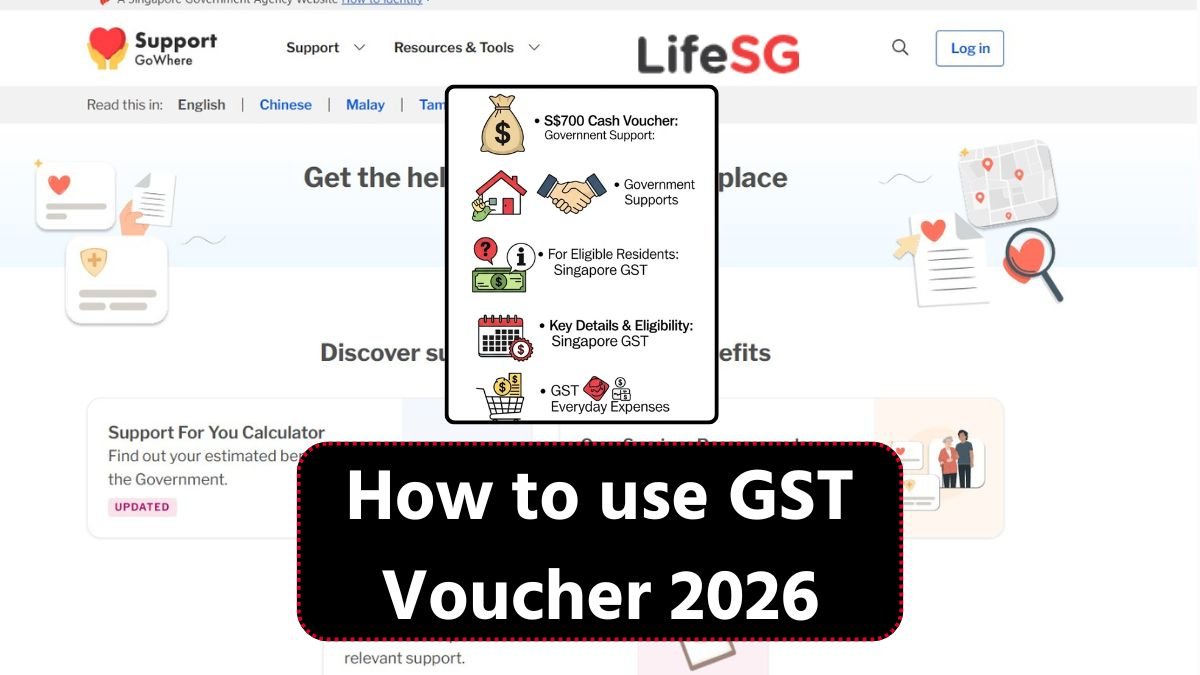
- GST Voucher 2026 payouts can help Singapore households manage rising daily costs.
- Utilities, essentials, and healthcare give the best value for most families.
- Used wisely, GSTV can stretch hundreds of S$ further than expected.
The GST Voucher (GSTV) Scheme remains one of the most practical support measures for lower- and middle-income households. With payouts coming in cash, U-Save rebates, and MediSave top-ups, the real difference isn’t how much you receive — it’s how you use it.
Below is a clear, no-nonsense guide written for Singapore residents, whether you’re managing a household, living alone, or helping elderly parents stretch their monthly budget.
| GST Voucher Component | What It Covers | Best Way to Use It |
|---|---|---|
| GSTV – Cash | Flexible spending | Groceries, transport, savings |
| GSTV – U-Save | Utilities rebates | Offset electricity, water, gas |
| GSTV – MediSave | Healthcare costs | Hospital bills, insurance premiums |
What Exactly Is the GST Voucher 2026 Scheme?
The GST Voucher Scheme is a long-term government support programme meant to help eligible Singaporeans cope with GST and cost-of-living pressures. It’s not a one-off handout, but a steady form of assistance targeted at those who need it most.
For 2026, eligible Singaporeans may receive a mix of GSTV – Cash, GSTV – U-Save, and GSTV – MediSave, depending on income, housing type, and age. Payouts are typically credited automatically, so there’s no need to apply every year if your details are up to date.
Why Utilities Should Be Your First Priority
Honestly speaking, utilities are the easiest win. Electricity, water, and gas are non-negotiable expenses for most households, especially those living in HDB flats.
U-Save rebates are automatically credited to your utilities account. This means your bill gets reduced before you even pay anything. For some lower-income households and seniors living alone, U-Save can fully cover utilities for several months.
If your utilities are already offset, don’t waste the cash portion on bills you don’t need to pay. Redirect that money to food, transport, or savings instead. No need to overthink.
Using GST Voucher Cash for Daily Household Spending
GSTV – Cash is the most flexible part of the scheme, which also makes it the easiest to overspend.

Most Singapore households end up using it on:
- Groceries at neighbourhood supermarkets
- Bus, MRT, or petrol costs
- Mobile, broadband, and internet bills
- Medical essentials and prescriptions
- Childcare and school-related expenses
A practical way to manage this is the 3-Bucket Method:
- 50% Essentials: food, transport, utilities shortfall
- 30% Stability: emergency buffer or bill repayment
- 20% Future: savings or healthcare needs
This works well for families earning below the median income and helps prevent the payout from disappearing within weeks.
Can GST Voucher 2026 Help With Rent?
Short answer: yes, but indirectly.
GST Voucher cash cannot be paid straight to landlords. However, it can still ease rental pressure by covering part of your monthly rent, utilities included in rent, or shared household costs.
This is especially useful for elderly renters, single parents, and low-income workers who need short-term breathing space. If rent remains a major burden, GSTV should be paired with other assistance schemes rather than relied on alone.
Should You Save Part of Your GST Voucher?
If your essentials are covered, saving part of your GST Voucher is actually a very sensible move.
Even setting aside S$300–S$500 can make a difference when something unexpected happens. Good uses include an emergency fund, medical buffer for ageing parents, education-related expenses, or low-risk short-term deposits.
For most Singaporeans, this isn’t about growing wealth. It’s about stability and peace of mind.
Practical Tips for Seniors Using GST Voucher 2026
Seniors often receive MediSave top-ups, which are best reserved strictly for healthcare. These can be used for hospital bills, approved outpatient treatments, and insurance premiums like MediShield Life.
Simple habits make a big difference:
- Avoid clicking on SMS or WhatsApp links claiming “early GST payout”
- Check details only on official government websites
- Ask trusted family members for help managing finances
- Use GIRO or automatic deductions to reduce missed payments
Advice for Low-Income Families
For families juggling food, transport, and childcare costs, GST Voucher helps only if it’s used carefully.
Buying groceries in bulk, combining GSTV cash with other vouchers, tracking spending weekly, and avoiding impulse purchases can stretch the payout much further. Remember, GST Voucher is support — not a replacement for income.
Common Mistakes to Avoid
Many households lose value by:
- Spending the entire cash payout immediately
- Falling for phishing messages and fake payout links
- Ignoring U-Save rebates and overpaying utilities
- Using funds on non-essential gadgets
- Not checking eligibility or payout timelines
Small mistakes add up quickly.
Frequently Asked Questions
Can GST Voucher 2026 be withdrawn as cash?
Yes. GSTV – Cash is credited directly to your bank account or via PayNow-NRIC if you’re registered.

Can GST Voucher be used to pay utility bills?
Yes. U-Save rebates are automatically applied to your utilities account, reducing electricity and water bills.
Is GST Voucher taxable income in Singapore?
No. GST Voucher payouts are not taxable.
Final Thoughts: Making Every Dollar Count
The GST Voucher 2026 is meant to ease daily financial pressure, not disappear in a few days. Prioritise utilities, manage daily expenses carefully, save when you can, and protect seniors in your household from scams.
Used wisely, GST Voucher isn’t just short-term relief. It’s practical support that helps Singapore households stay steady during uncertain times.

 Join
Join